Kenya safari planning for Kinyarwanda speakers looks different from planning a trip out of Europe or North America. Most online guides spend paragraphs on visa applications that do not apply to you. This guide covers what a Kinyarwanda speaker actually needs: EAC entry rules, direct flights from Kigali, and pairing a Kenya safari with gorilla trekking back home.
TouringInsights is a Kenya safari operator that has run trips across the Mara, Samburu, and Ol Pejeta for years, and this guide reflects what we hear from guests traveling between Kigali and Nairobi.
What Makes Kenya Safari Planning for Kinyarwanda Speakers Different?
Rwanda’s East African Community membership changes almost everything about how you should plan. You skip the visa paperwork and extra cost most guides assume you need. You also start closer to Kenya than most visitors, which opens up combined trips that would exhaust someone flying in from further away. The sections below cover visas, flights, parks, costs, and pairing a Mara safari with gorilla trekking at home.
Do Rwandan Citizens Need a Visa to Visit Kenya?
No. Kenya does not require a visa for EAC citizens. You enter with your passport or national ID by land, or a valid passport by air, and get a visitor pass stamped at the border or airport at no charge.
The East Africa Tourist Visa, which many online guides discuss, is meant for non-EAC travelers and is not relevant to you. Just show your ID or passport at Busia, Malaba, or Jomo Kenyatta International Airport, the crossings and airport most relevant for travelers coming from Rwanda through Uganda or by air.
Visitor passes for EAC citizens are commonly issued for up to 90 days, though the exact allowance can vary and is set by the immigration officer at entry, so check the date stamped in your passport. Overstaying is treated seriously, so keep that entry date in mind and renew or exit before it expires.
How Do I Get From Kigali to the Masai Mara or Nairobi?
The most comfortable route is a direct flight from Kigali to Nairobi on RwandAir or Kenya Airways, taking about two hours. From Nairobi, you take a small safari aircraft to the Masai Mara airstrips. Total travel time to a Mara camp is roughly six to seven hours including the connection.
The bus from Kigali to Nairobi is an overland option, taking 24 to 30 hours through Uganda. It is cheap but tiring, so most first-time planners choose the flight instead.
From Nairobi, domestic airlines like Safarilink and AirKenya fly daily to the Mara, Amboseli, Samburu, and Nanyuki, usually in under an hour. Driving is possible too, but roads to the Mara take five to six hours, so for a short safari, fly.
Is Kinyarwanda or Swahili Spoken in Kenya’s Safari Areas?
You will not hear Kinyarwanda spoken by camp staff. The common languages in Kenya’s safari areas are Swahili, English, and local Maa in Maasai regions. Swahili and Kinyarwanda share some Bantu roots, so basic greetings like “habari” and “mzuri” may feel familiar.
English is the working language in most camps, and guides are fluent in it and usually in Swahili too. You can ask an operator for a Kinyarwanda-speaking guide, but this is not guaranteed, so plan on English or Swahili.
What Is the Best Time of Year to See the Wildebeest Migration in the Masai Mara?
The Great Migration is not a single event you can calendar. It is a constant movement of herds across the Serengeti and Mara ecosystem. The river crossings, which attract most attention, typically happen between July and October, with July and August as peak, busiest, and priciest months.
From around December to March, the herds are usually well south of the Mara, in the southern Serengeti and Ndutu area of Tanzania, for the calving season. That period is not a reliable window for migration viewing in the Mara itself, even though it can be a good time to visit the Serengeti side. The Mara still holds resident wildlife year round regardless of where the migration herds are.
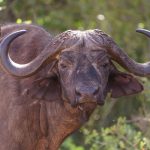
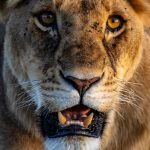
For a first safari, do not chase the migration exclusively. The Mara always has resident lion, leopard, elephant, and buffalo, so the migration is a bonus, not the only reason to visit.
Which Kenya Parks Are Best for First-Time Visitors From East Africa?
If you have a week or less, focus on one or two parks rather than hopping across the country.
| Park | Distance from Nairobi | Best for | Typical stay | Entry fee style (indicative) |
|---|---|---|---|---|
| Masai Mara | About 45 min by flight | Big cats, wildebeest migration, open plains | 3 to 4 nights | Non-resident rate is roughly USD 100/day January to June and USD 200/day July to December (check current rates) |
| Amboseli | About 40 min by flight | Elephant herds, Mount Kilimanjaro views | 2 to 3 nights | Resident rate for EAC citizens is lower than non-resident. Carry your ID. |
| Samburu | About 90 min by flight | Rare species: Grevy’s zebra, reticulated giraffe, Somali ostrich | 2 to 3 nights | Resident rate applies to EAC citizens |
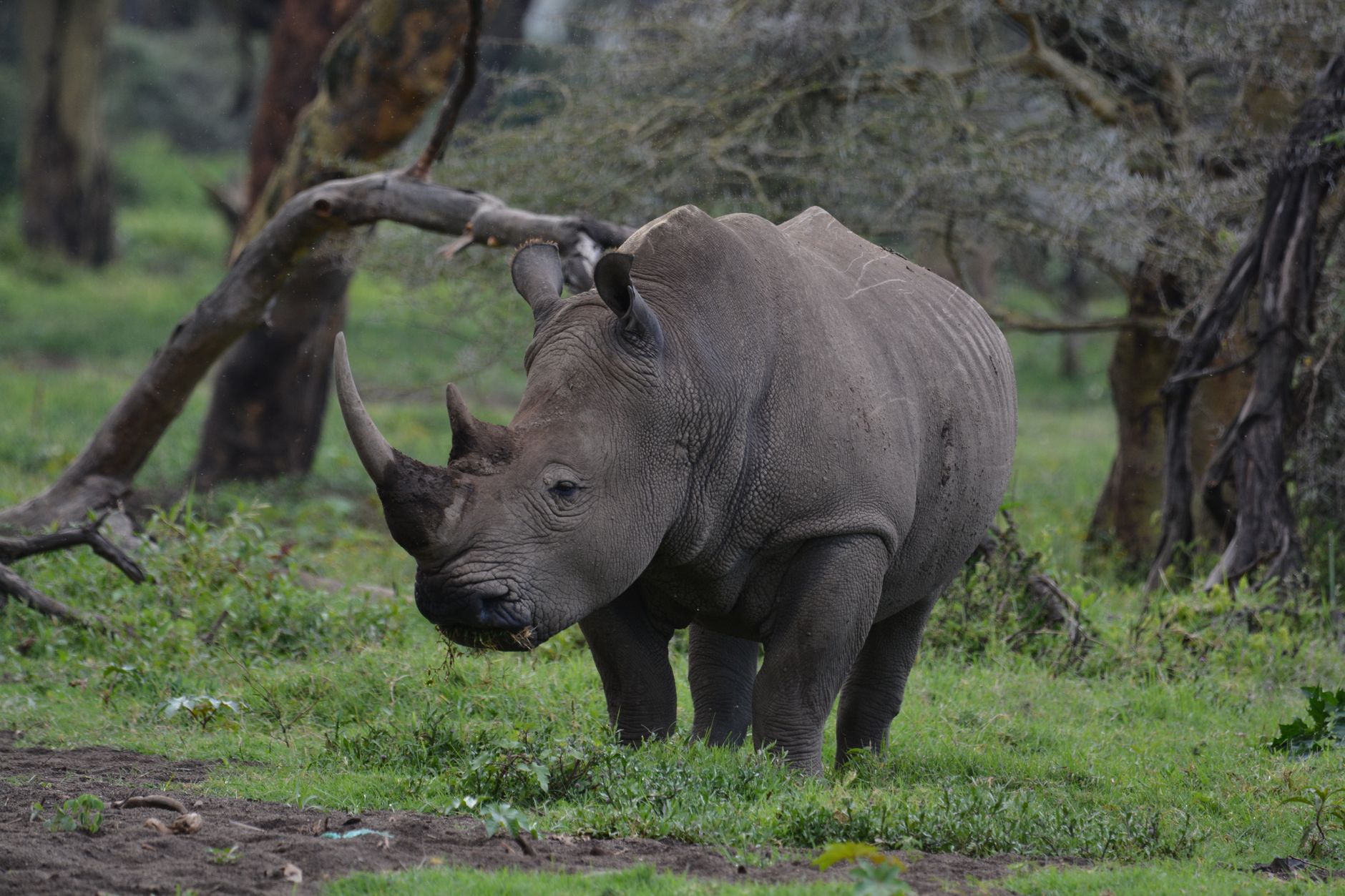
| Ol Pejeta | About 60 min by flight to Nanyuki | Black rhinos, chimpanzees, night game drives | 2 nights | Conservancy fee, separate from national park fees; resident discount exists |
| Lake Nakuru | No regular scheduled flight; about 2.5 to 3 hr drive | Flamingos, rhinos, easy weekend trip | 1 to 2 nights | Resident rate applies; lake levels change flamingo numbers |
The Masai Mara is the classic choice and most reliable for predators. Amboseli is smaller and easier to navigate, Samburu is drier and more remote, and Ol Pejeta is excellent for rhinos and close to Mount Kenya, covered in our Ol Pejeta guide.
For a first timer, we recommend the Mara plus one smaller park, such as 3 nights in the Mara and 2 in Ol Pejeta, with a scenic drive between them through Nanyuki.
Can a Rwanda Gorilla Trekking Trip Be Combined With a Kenya Safari?
Yes, and this is one of the best reasons to plan from Kigali. Gorilla trekking in Volcanoes National Park takes one day, and you can fly to Nairobi the next morning and be in the Mara by afternoon.
A realistic combined itinerary looks like this:
- Day 1: Arrive Kigali, rest.
- Day 2: Gorilla trek in Volcanoes National Park.
- Day 3: Fly Kigali to Nairobi, connect to the Mara.
- Days 4 to 6: Safari in the Mara.
- Day 7: Fly back to Nairobi, then to Kigali.
The trek involves a hike that can last two to six hours at altitude, so build in a rest day rather than flying the same afternoon. If you have more time, add Amboseli for elephants or Ol Pejeta for rhinos.
How Many Days Are Needed for a First Kenya Safari?
Plan for 4 to 6 nights for a first visit, since anything shorter feels rushed.
- 2 nights: bare minimum for a single park, but you lose a full day to travel.
- 3 nights: comfortable for one park, with two full game drives a day.
- 5 nights: allows two parks, for example the Mara plus Ol Pejeta or Samburu.
- 7 nights: a relaxed trip with a mix of parks and a beach add-on like Diani.
If combined with gorilla trekking, budget 7 to 9 days total. Do not pack four parks into a week. A 5 night safari with two parks is the sweet spot for most first timers.
How Much Does a Kenya Safari Cost for Someone Traveling From Rwanda?
Prices vary widely, so compare like for like. The biggest cost factors are park fees, camp tier, and nights.
Entry fees are set in US dollars for non-residents and Kenyan shillings for EAC residents. As an EAC citizen, you pay the significantly lower resident rate, so carry your national ID or passport to qualify. For a fuller breakdown of what a trip actually costs, see our Kenya safari cost guide.
Here is a rough guide for a 5 night safari, excluding international flights:
| Camp tier | Approx cost per person per night (indicative) | What you get |
|---|---|---|
| Budget camps and basic lodges | USD 150 to 250 | Tented rooms, shared game drives, simple meals |
| Mid range camps | USD 300 to 500 | En suite rooms, three meals, game drives included |
| Luxury camps | USD 600 to 900 | Private decks, premium service, sometimes private vehicles |
| Exclusive conservancies (Mara Naboisho, Ol Pejeta) | USD 700 and up | Lower vehicle density, night drives, walking safaris |
These figures are indicative and change by season. High season from July to October costs 20 to 40 percent more than June or November. Park fees are often separate from camp rates, and alcohol, tips, and laundry are usually not included. A solo traveler pays a supplement, while sharing a tent reduces the cost.
Where Should I Stay: Mara Conservancies or National Reserve?
The Masai Mara National Reserve allows any vehicle in, so in peak season you may see several vans around one lion sighting. Conservancies like Mara Naboisho or Olare Motorogi limit vehicle numbers and allow night drives and walking safaris, which the reserve does not.
Conservancy rates are higher, but the experience is more private, with similar wildlife density. Choose a conservancy for quiet and photography, or the reserve for the classic experience on a budget. Our Masai Mara guide compares specific camps and lodges in both.
What Currency Should I Carry in Kenya Coming From Rwanda?
Kenya uses the Kenyan shilling. US dollars are accepted in some lodges and for park entry fees, but do not rely on dollars for small purchases, tipping, or souvenirs.
Exchange Rwandan francs to shillings in Kigali or at Nairobi airport. Cards work at most camps, and ATMs work in Nairobi and Nanyuki but not in the bush, so carry cash for 2 to 3 days of incidentals. Confirm with your operator whether park fees are charged in shillings or dollars.
What Health Precautions and Safety Measures Should I Take?
Yellow fever vaccination is recommended, and proof may be required when flying from Rwanda. Malaria risk in Kenya is generally higher in warmer, lower-lying areas and lower at cooler, higher altitudes, so take antimalarials as prescribed and use insect repellent at dusk wherever you travel.
The Masai Mara sits at about 1,500 to 1,800 meters, cooler than Nairobi, with cold nights from June to August, so pack a fleece. Drink only bottled or filtered water in the bush, though most camps provide it.
Safety on safari means following rules: listen to your guide, stay seated in an open vehicle near predators, and keep arms inside.
What Should I Pack for a Kenya Safari?
The essentials are light neutral clothing, a warm layer for early mornings, a hat, sunscreen, binoculars, and a camera with extra batteries. Dust is everywhere, so bring a small lens cloth. Avoid bright colors, since tsetse flies are attracted to certain shades; olive, beige, and brown work well.
If you combine with gorilla trekking, pack a separate set of clothes for the trek, since the forest mud is intense, and leave dusty safari clothes at the hotel.
Do I Need to Book a Safari Operator or Can I Self-Drive?
Self driving in Kenya is possible, but for a first safari it is not recommended. Roads inside the Mara are rough and easy to get lost in, and you risk getting stuck in mud during the wet season.
A good operator handles permits, park fees, and camp bookings, and covers you if plans change. TouringInsights runs such trips, and our guides know where the animals are. Tell your operator if you prefer a Kinyarwanda or French speaking guide.
Ready to Compare Safari Options?
Every traveler’s mix of park, timing, and budget looks different. Compare safari operators and browse packages that match your dates and budget at FindMySafari, Valley Safaris, or Trunktrails Safaris. These sites list vetted trips and let you compare prices across camps.
Choose a trip with at least 3 nights in one park, the difference between a holiday and a safari.
Where Can You Find More Safari Planning Resources?
- Masai Mara Great Migration guide from Trunktrails Safaris
- Interactive Maasai Mara map from Valley Safaris
- Masai Mara destination guide on FindMySafari
- Kenya wildlife tours from Trunktrails Safaris